
Getting older doesn’t mean grinding to a halt. Still, plenty of older adults hold back — convinced that sports will be too punishing, too risky, or simply designed for younger bodies. Wrong on all counts. A wide range of activities keeps people moving, socializing, and genuinely enjoying themselves — without wrecking joints or spiking heart rates into dangerous territory. Some are water-based. Others demand sharp precision, taxing the mind just as hard as the muscles. Here are five worth a serious look — each delivering real physical payoff alongside the low-stakes enjoyment that actually gets people out the door, week after week.
1. Swimming and Water Aerobics
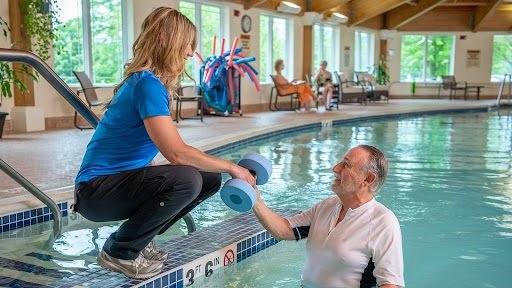
Water changes everything. Buoyancy strips enormous pressure off knees, hips, and ankles. The body moves through a full range of motion — no grinding impact, none of the punishment land-based exercise dishes out. Arthritis? Balance problems? Post-injury recovery? Water was essentially built for those situations. Cardiovascular fitness climbs. Muscles tone up. Joints stay loose. Community centers in most cities run dedicated senior swim hours and aquatic fitness classes — quietly delivering a built-in social circle alongside the physical perks.
Water aerobics has surged in popularity. Hard to argue with the reasons. People stand in chest- or waist-deep water and work through structured routines — music going, instructor calling cues, bodies pushing against natural resistance without any of the joint punishment that traditional aerobics brings. Most sessions are led by instructors trained specifically in senior fitness, with modifications built in for varying ability levels. The social side? Genuinely good. Conversations happen. Friendships form. That mental health dimension stretches the benefit well past the last lap.
2. Bowling
Bowling doesn’t get nearly enough credit. Low-key, strategic, deeply social — all at once. No sprinting. No explosive movements. Just a comfortable, self-paced activity that works the arms and shoulders, sharpens coordination, and keeps the mind busy with scoring and strategy. Modern alleys have made things even more welcoming: lighter ball options, bumper gutters, senior-specific leagues — none of that intimidation factor younger-skewing venues sometimes carry.
Between frames, real conversation breaks out. Rare in any fitness context, honestly. Someone joins a weekly league — or just shows up on a Tuesday afternoon with a couple of friends — and the physical activity sort of sneaks in sideways. Two hours on your feet. Nobody noticed. A lot of facilities run senior discount sessions, so there’s no pressure to keep pace with younger crowds. Show up, play at whatever level feels right, go home having moved your body and laughed more than once.
3. Pickleball
Pickleball exploded over the past decade. Good reasons for that. It borrows from tennis, badminton, and ping-pong — played on a smaller court with a lower net and a plastic ball that travels far more slowly than a tennis ball. Less court means less running. Slower ball means more reaction time. For older adults with reduced mobility or speed, those aren’t trivial tweaks — they’re what separates genuinely accessible from technically-open-but-not-really. Physical benefits are still substantial: cardiovascular conditioning, hand-eye coordination, core and leg strength, all of it.
The social pull matches the physical one. New players pick up the basics within a few sessions, and the game’s natural rhythm leaves room for banter between rallies. Communities nationwide have caught on — building dedicated courts, running senior tournaments. Older adults at assisted living in Cedarburg, WI tap into organized activities like pickleball, which shore up daily fitness while keeping social connections from withering. Competitive enough to hold attention. Accessible enough that people actually stick with it.
4. Golf
Golf moves at its own pace — that’s the whole appeal. Walking a course or riding a cart, players set their own rhythm without any pressure to hurry. The sport quietly builds balance, core strength, and coordination through swing mechanics and the posture required between shots. It also demands real mental engagement: reading the course, planning shots, adjusting strategy hole by hole. That cognitive workout runs right alongside the physical one. Makes golf unusually complete for older adults.
Flexibility is baked in. Walk the full eighteen for maximum movement, or ride the cart when mobility calls for it. Adjust the rules for personal comfort. Most courses offer senior tee times and discounted rates, cultivating tight-knit circles of older players who genuinely enjoy each other’s company. Several hours outside in decent weather, moving gently, laughing with friends — that reaches well beyond sport. The mental health returns alone are worth showing up for.
5. Tai Chi
Tai Chi operates on entirely different terms than anything else on this list. No competition. No speed. Just slow, deliberate, flowing movement — performed with precision and full attention. It originated in China as both martial art and wellness practice, a pairing that makes it unusually well matched to older adults who want physical benefit without impact or intensity. Balance improves. Flexibility increases. Strength builds gradually. At the same time, the movements calm the nervous system and ease stress. Research consistently points to Tai Chi as one of the most effective tools for fall prevention in older adults, training balance systems in ways that carry directly into daily life.
Classes are widely available — community centers, senior centers, recreation departments — often cheap or folded into existing wellness programs. The meditative quality delivers its own returns: sharper focus, lower anxiety, better sleep. Practitioners develop genuine body awareness, a sense of control that shows up as improved stability and confidence off the mat. Because the practice is non-competitive, beginners and advanced students train side by side without friction. Breathing, posture, mindful movement — Tai Chi bundles all of it into something many older adults find quietly transformative.
Conclusion
Five activities. Each one different. All of them viable. Swimming and water aerobics protect joints while building real cardiovascular fitness. Bowling layers light activity onto easy social engagement. Pickleball delivers competitive fun at a genuinely manageable intensity. Golf trades outdoor time for strategic thinking and fresh air. Tai Chi focuses everything on balance, breathing, and presence. What they share is accessibility — and the kind of enjoyment that makes people keep coming back. That consistency matters far more than intensity when long-term health is the goal. Solo or social, indoors or out, these sports make a strong case that staying active in older age doesn’t have to feel like work.